Bali Java Volunteer

Java Children Foundation

Support children’s education while discovering authentic culture, traditions, and hidden destinations in Central Java.

Java Children Foundation is a foundation that continues the programs previously initiated by Bali Baby Home and Jogja Baby Home.

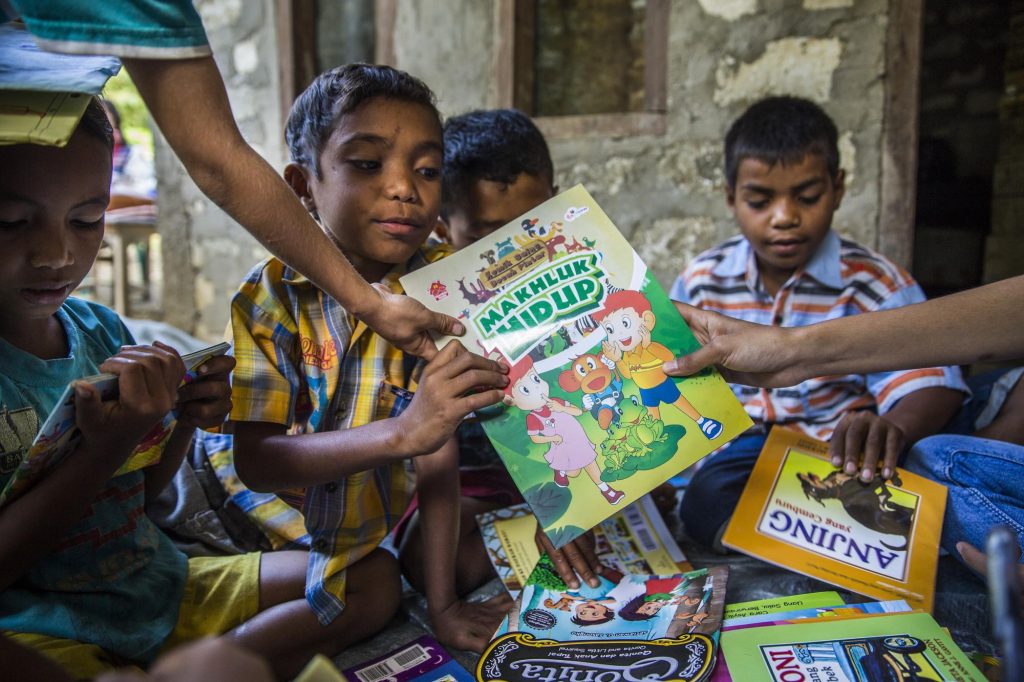
The foundation focuses on early childhood education and playgroup activities for children over three years old who have not yet returned to their parents.

The organization believes that providing proper education—just like other children receive—is a fundamental right.

The Important
Role of Volunteers

Volunteers play an essential role in supporting children’s mental development while helping build a strong educational foundation.

International and local volunteers work together to provide early learning experiences that help children develop confidence for their future

Learning Activities Include

palette-outline

Creativity

Drawing and coloring

font-family-outline

Basic Cognitive Skills

Learning letters and numbers

binocular-outline

Environmental Education

Introducing animals and nature

language-outline

Communication & Language

Learning proper communication and basic English

palette-outline

Creativity

Drawing and coloring

font-family-outline

Basic Cognitive Skills

Learning letters and numbers

binocular-outline

Environmental Education

Introducing animals and nature

language-outline

Communication & Language

Learning proper communication and basic English

Why Jatinom

Java Children Foundation will officially open on July 1, 2026.

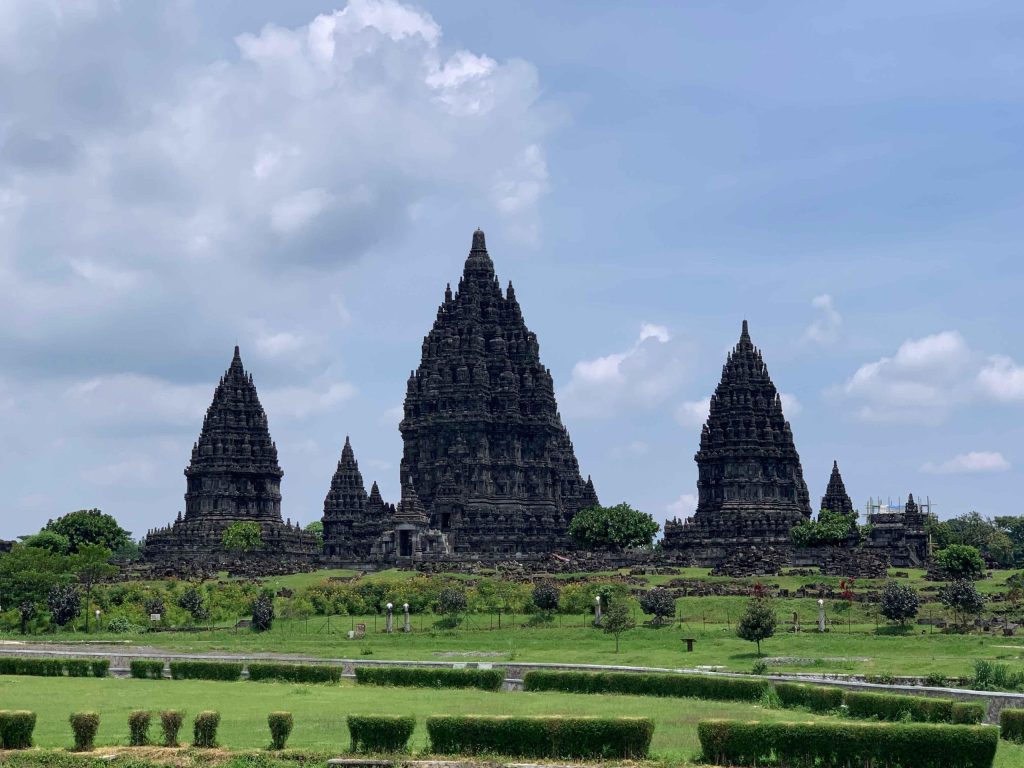
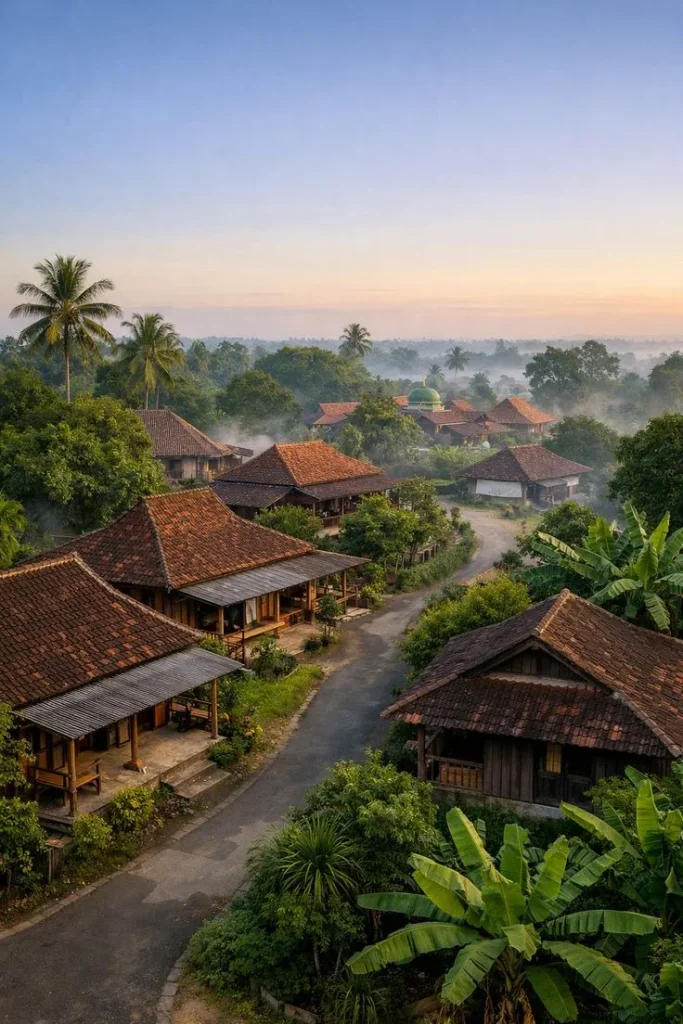
The foundation is located in Jatinom Village, Klaten, the hometown of the founder. Jatinom was chosen because of its preserved historical sites, cultural traditions, peaceful countryside atmosphere, and friendly local community.

Experience & Benefits
for Volunteers

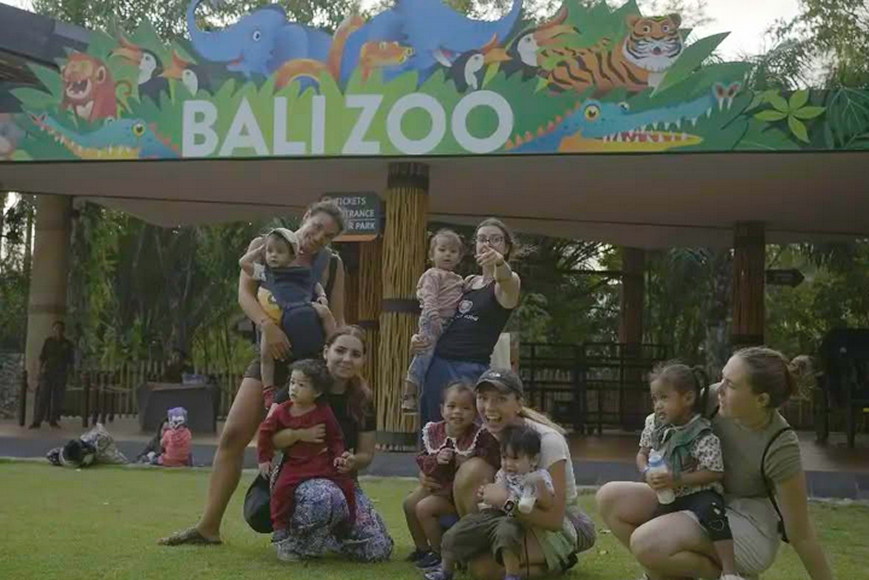
Volunteers joining Bali Java Volunteer, which collaborates with several foundations in Bali and Java, will directly experience how meaningful their contribution is in supporting humanitarian missions.

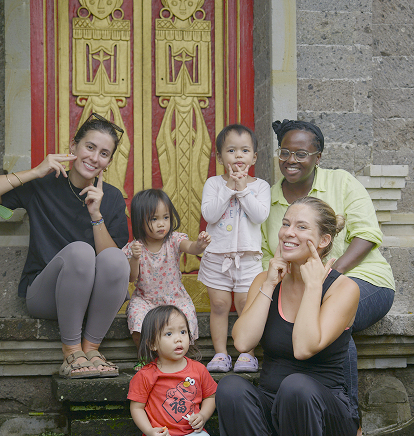
In addition to volunteering with children, the program is also designed as a cultural exchange experience where volunteers can explore the uniqueness of each region.

Volunteers Will Experience

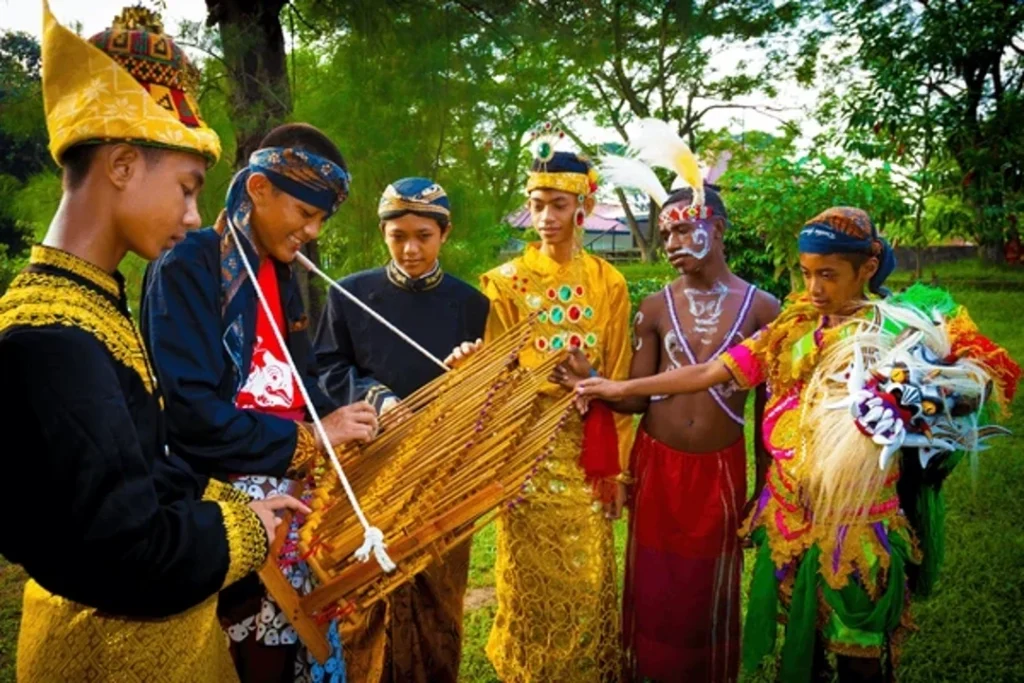
Local Culture & Traditions

Experience authentic customs, rituals, and daily life in Bali and Java.

Authentic Tourist Destinations

Visit hidden gems and untouched places rarely explored by international tourists.

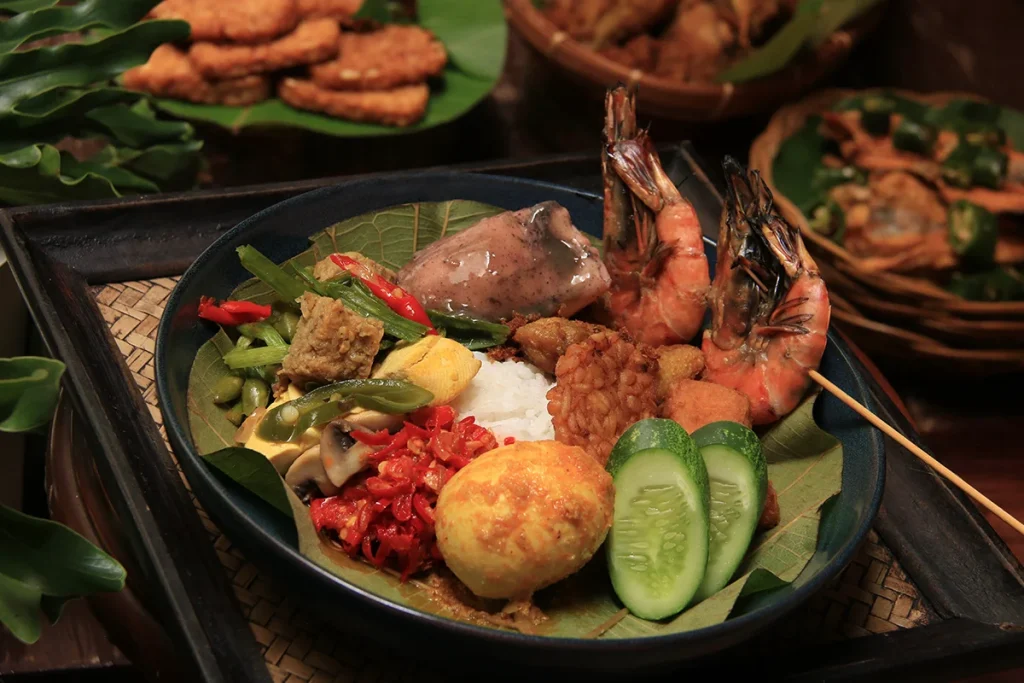
Culinary Adventures

Taste local specialties rich in spices and unique flavors from different regions.

Through this program, being a volunteer is not only about giving, but also about learning, growing, and returning home with a new perspective on the richness of Indonesian culture.

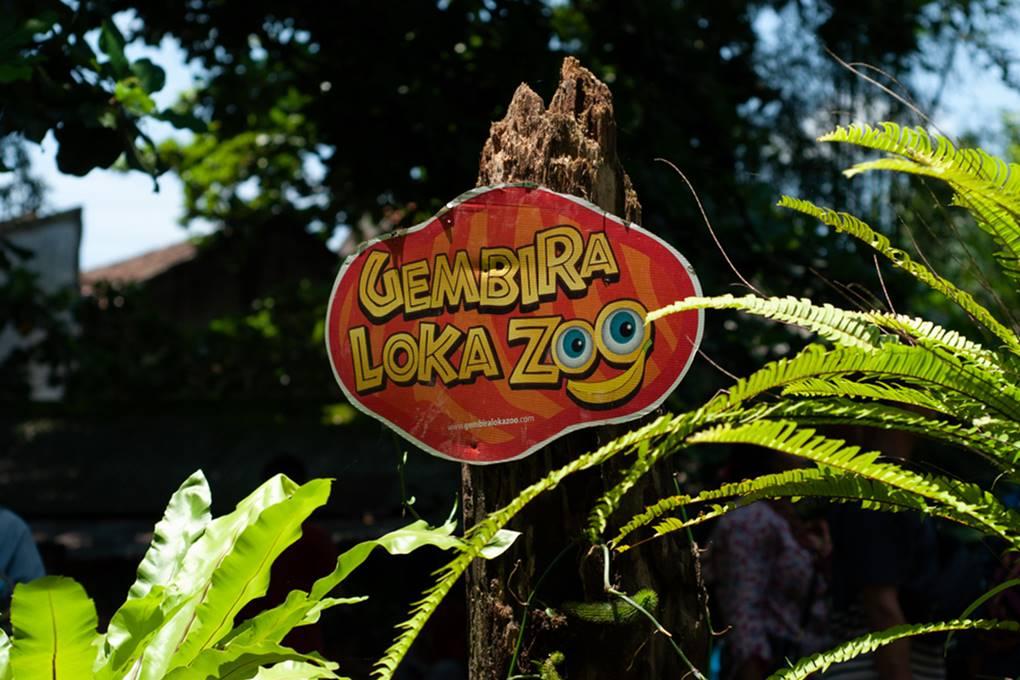
Gembira Loka Zoo
Outing Program

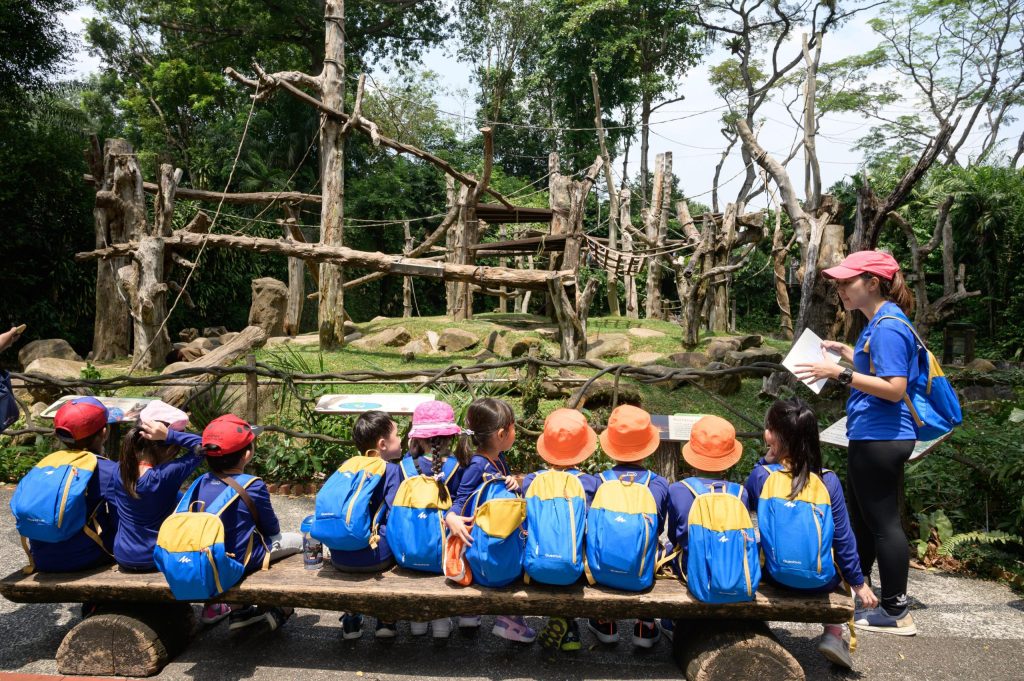
The outing program at Gembira Loka Zoo is designed to be both enjoyable and meaningful. The concept of one volunteer accompanying one child, supported by caregivers from the foundation, is an excellent approach to ensure every child feels safe and cared for.

The flexible duration of 3–4 hours allows activities to adapt to the children’s condition and comfort.

Enriching Activities

Educational activities

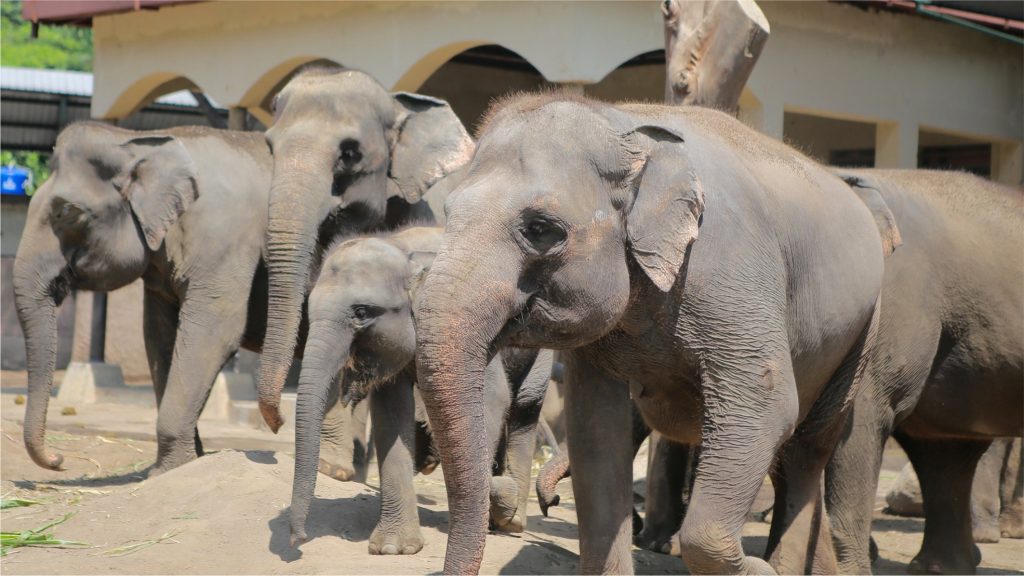
Volunteers can introduce children to animals through storytelling or simple games.

Group games

With the spacious yard, fun light games can be organized involving both children and volunteers together.

Documentation moments

Capturing moments together will create valuable memories for both the children and the volunteers.

Brief reflection

At the end of the activity, volunteers and children can sit together and share stories about their experiences that day.

About
Gembira Loka Zoo

The original idea for Gembira Loka Botanical Garden and Zoo came from Sri Sultan Hamengku Buwono VIII in 1933, who wanted to create a recreational park called “Kebun Rojo.”

The project was later realized by Sri Sultan Hamengku Buwono IX with assistance from Ir. Karsten, a Dutch architect. However, the development was interrupted due to World War II and the Japanese occupation.

In 1949, after the Indonesian capital moved back from Yogyakarta to Jakarta, the idea resurfaced as a gift from the central government to the people of Yogyakarta.

Finally, in 1953, the establishment of the Gembira Loka Foundation officially enabled the project to continue under the leadership of Sri Paduka KGPAA Paku Alam VIII.

In 1959, Tirtowinoto was appointed to continue the zoo’s development. His dedication and contribution greatly improved Gembira Loka Zoo, especially as the animal collection expanded significantly by 1978, attracting more visitors.
Get In Touch.

Take the First Step
We’re Here for You.

Contact Us

Get exclusive offers, program opening updates, travel info, volunteer stories, scholarships and competitions… Straight to your inbox!

Loading